
Is British Education Too Academic for Some Children?
This question doesn’t usually come from doubt; it comes from care.
Parents ask it after watching their child work hard but still feel tense. After noticing anxiety around tests, or hesitation around schoolwork, or that quiet moment when learning stops feeling exciting and starts feeling heavy. And when families begin looking into British international schools, that concern often becomes sharper.
Will they feel like they’re constantly being measured?
Will learning turn into pressure instead of curiosity?
These aren’t dramatic worries. They’re protective instincts.
So let’s answer the question honestly, without dressing it up.
A British education can feel demanding for some children, but it is not designed to overwhelm them. The difference lies in how it’s delivered, and how carefully a school responds when a child starts to struggle.
What Parents Usually Mean When They Say “Too Academic”
Most parents aren’t afraid of learning.
They’re afraid of pressure.
They’re thinking about exams, comparison, expectations, and that quiet fear that their child might begin to believe they’re “not enough.” This worry comes up often when parents talk about British schools, especially if their own school experiences were stressful.
This is usually the point where parents pause and say,
“I just don’t want school to break their confidence.”
That fear deserves attention.
Structure Isn’t the Enemy, When It’s Done Properly
British education is structured; there’s no denying that.
There are clear learning goals, clear progression, and a belief that education matters. Teachers explain why things matter, not just what to memorise. Children are expected to engage seriously with learning, but structure doesn’t automatically mean pressure.
In healthy British modern schools, structure actually creates safety. Children know what’s expected. Lessons build step by step. When something doesn’t make sense, support is there early, not after a child has already fallen behind.
For many children, this predictability feels reassuring rather than stressful.
Not Every Child Is Motivated by Grades, And That’s Normal
Some children work hard for marks. Others don’t.
Some are curious. Some are practical. Some need time to understand before they feel confident. Some simply don’t respond well to competition.
In strong British international schools, this isn’t treated as a flaw.
A child does not have to be top of the class to be respected: effort matters, progress matters, engagement matters; quiet improvement is still improvement.
I’ve seen children relax the moment they realise they’re not being judged only by numbers.
Where STEM Actually Fits (And Why Parents Worry)
STEM is often the part that worries parents the most: maths, science, logic and tests.
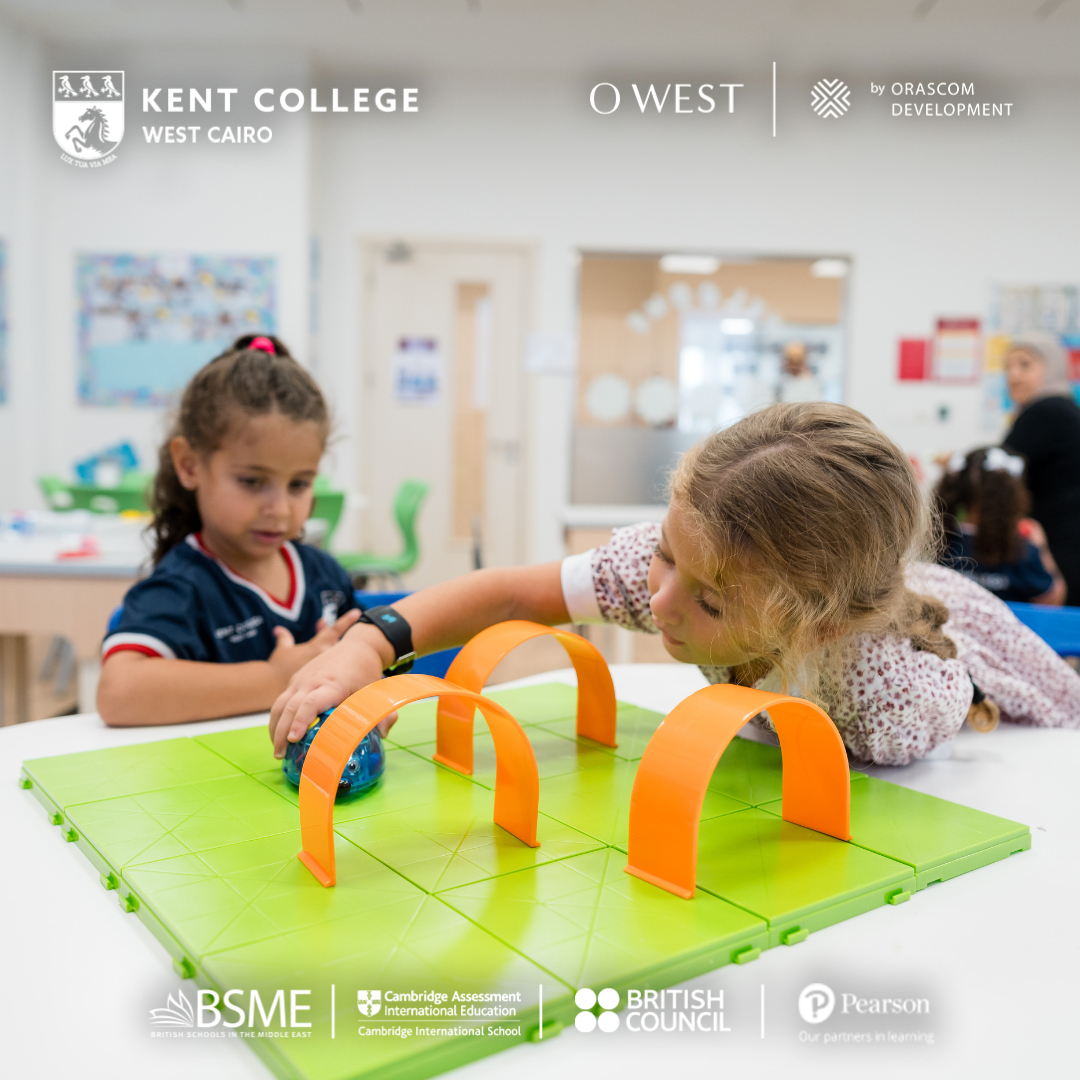
But when STEM education is taught well, it often does the opposite of what parents fear. Instead of increasing pressure, it gives children something solid to work with: they test ideas, they get things wrong and they try again.
Learning becomes active, not intimidating.
For many children, especially those who struggle with purely theoretical lessons, STEM is where confidence quietly returns.
When it’s handled with care, STEM isn’t overwhelming, it’s grounding.
Yes, There Is Pressure, And That’s Where Schools Matter Most
Let’s be honest: tThere are exams, there are deadlines and there are expectations.
But pressure only becomes harmful when it’s unmanaged.
In strong British schools, expectations are introduced gradually. Children are prepared, not pushed. Mistakes are treated as part of learning, not as failure. Support appears early, long before stress becomes visible.
That balance doesn’t happen by accident. It’s a choice schools make.
When British Education Can Feel Like Too Much
Sometimes the issue isn’t the curriculum at all, it’s the environment.
British education can feel overwhelming when:
- results matter more than wellbeing
- comparison replaces encouragement
- emotional support is inconsistent
That’s not how British education is meant to work, but it can happen in the wrong setting.
This is why how a school teaches matters more than what curriculum name appears on the website.
What Parents Should Really Pay Attention To
Instead of asking whether British education is too academic, a better question is:
What happens here when a child struggles?
Listen to how teachers talk about children. Watch how mistakes are handled. Notice whether pressure is discussed openly or avoided entirely.
In the right environment, children feel challenged, but they don’t feel crushed.
A Straight, Reassuring Thought
British education isn’t about turning children into exam machines.
It’s about teaching them how to think, question, solve problems, and cope with challenges: skills they’ll use long after school ends.
When delivered with care, it supports far more children than people expect.
So no, a British education isn’t “too academic” by default.
It presents as right or wrong, depending on the humanity shown behind it.
FAQs | Answers to Common Parent Questions
- Will my child feel like they’re constantly being measured?
Honestly, that depends on the school. In healthy British schools, children are not reduced to rankings or scores, progress over time matters more.
- My child isn’t motivated by exams. Is that a problem?
Not really. Many British schools value effort and understanding just as much as results. Not every child shines the same way.
- Does STEM education increase pressure?
Not when it’s taught well. STEM education often helps children feel more confident through practical problem-solving, not added stress.
- Is there a lot of pressure in British modern schools?
There are expectations, yes, but in well-run British modern schools, support comes early so pressure doesn’t build silently.
- How can I tell if a British school is right for my child?
Ask what happens when a child struggles. The answer will usually tell you everything you need to know.
Leave a Reply