
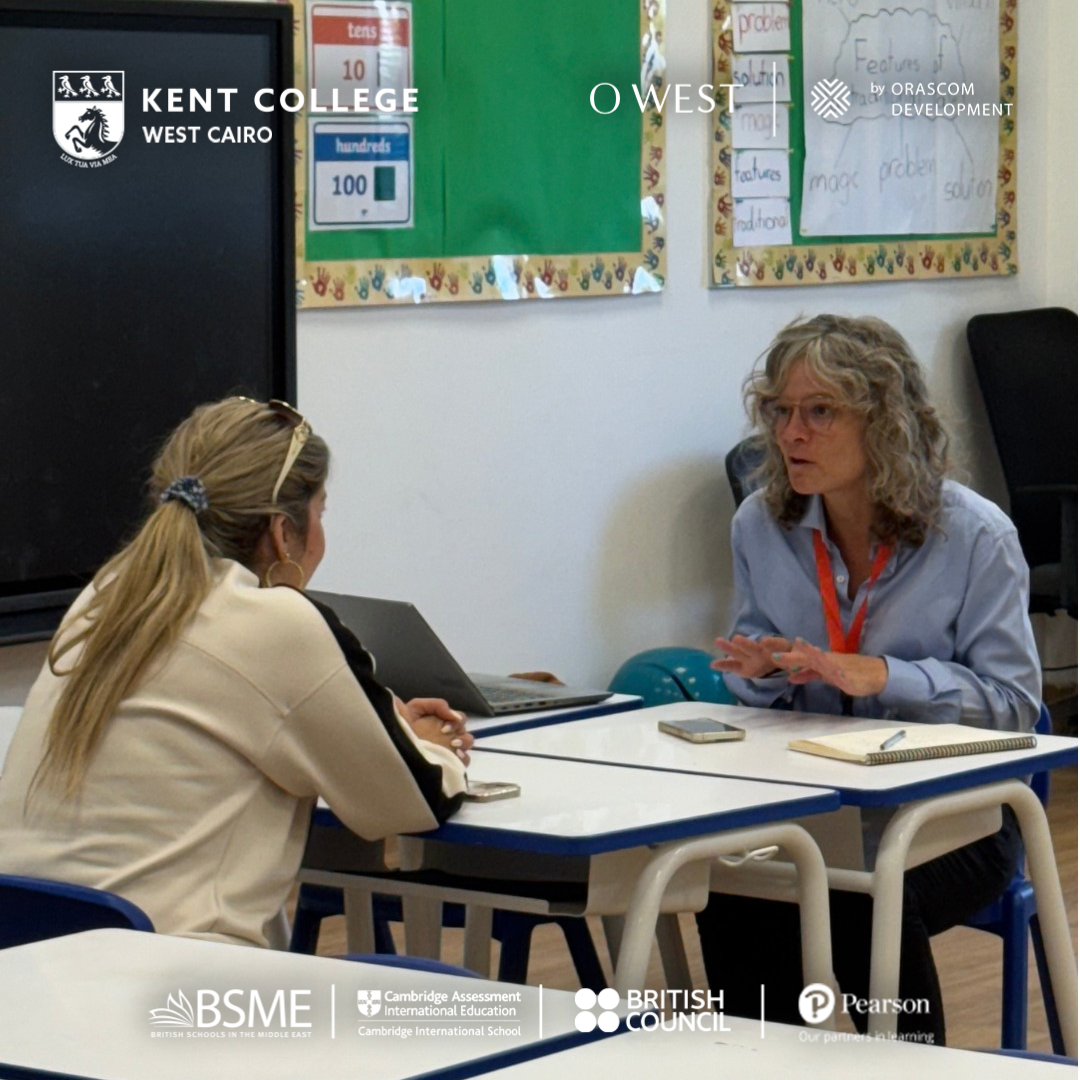
When to Step In as a Parent, and When to Step Back
I’ve never met a parent who felt completely confident about this.
Usually, this question appears quietly, after a long day, after a comment from a teacher that lingers or after noticing that something about your child feels slightly off, even if you can’t explain why.
You don’t want to overreact; you also don’t want to miss something important.
And in school environments shaped by the British curricula, where independence is encouraged early, this tension can feel even heavier.
Here’s the uncomfortable truth most parents eventually discover:
There is no fixed line between stepping in and stepping back. You feel your way through it, often imperfectly.
Why This Balance Feels So Heavy
Parents step in because they care, parents step back because they care; that’s the conflict.
You want your child to cope. You also want them to feel safe and sometimes it’s hard to tell which one they need more in any given moment.
This becomes especially noticeable in British international schools, where children are gradually expected to organise themselves, manage expectations, and take responsibility earlier than many parents remember doing themselves.
I’ve seen parents mistake silence for strength, and sometimes that silence was just uncertainty.
When Stepping In Is the Right Call
There are moments when stepping in isn’t interference, it’s necessary.
That moment often shows up when:
- your child’s mood changes and doesn’t bounce back
- school becomes something they avoid talking about
- stress lingers longer than it should
- confidence quietly slips
This isn’t about fixing things for them; it’s about making sure they’re not carrying something alone.
Many of the best British schools in Egypt actually expect parents to raise concerns early, calmly and thoughtfully, before a small issue turns into something heavier.
Stepping in doesn’t mean panic, it means attention.
When Stepping Back Helps More Than Intervening
Just as important, and usually harder, is knowing when not to act.
Children need room to:
- handle everyday disappointment
- resolve minor conflict
- forget homework and recover from it
- realise mistakes aren’t permanent
In schools following the British curriculum, this gradual independence is intentional. Adults stay close, but they don’t remove every obstacle.
Stepping back, when done thoughtfully, says something powerful: I trust you to try; that trust stays with children longer than most advice ever will.
Support Isn’t the Same as Control
This is where things often get blurry:
Support doesn’t always feel comforting.
Control doesn’t always feel controlling.
Support sounds like:
- “Tell me what felt hardest.”
- “What do you think might help?”
Control sounds like:
- “I’ll handle this.”
- “You shouldn’t feel like that.”
Children usually sense the difference immediately, even if adults don’t.
How Schools Expect Parents to Be Involved
In well-run British international schools, parents aren’t expected to rescue children from every challenge.
They’re expected to:
- notice patterns
- communicate without urgency
- trust teachers with everyday issues
- step in when wellbeing is affected
This balance is deliberate: schools don’t want children overwhelmed, but they also don’t want them shielded from growth.
When parents and schools understand this, children feel supported from both sides.
When Waiting Becomes the Riskier Choice
Sometimes parents hesitate because they don’t want to make things worse.
They tell themselves it’s probably a phase and sometimes it is, but sometimes waiting allows stress to settle quietly.
This is one reason parents value the best British schools in Egypt: places where emotional changes are noticed early, not dismissed or minimised.
A More Honest Way to Think About It
You won’t always get this balance right.
You’ll step in too soon some days.
You’ll wait too long for others.
That doesn’t make you careless, it makes you human.
Children don’t need parents who always choose correctly. They need parents who stay observant, adjust, and stay connected.
FAQs | What Matters Beyond Immediate Reactions
- How do I know if my child needs help or just space?
Patterns matter; a bad day is normal; ongoing withdrawal usually isn’t.
- Should I contact the school every time my child is upset?
No, but if something keeps repeating, it’s worth a conversation.
- Do British modern schools expect children to manage alone?
No independence is gradual. Support should always be there when needed.
- Can stepping back ever be harmful?
Yes, if it turns into ignoring clear signs of distress.
- What’s the healthiest approach overall?
Pay attention, stay calm, and be willing to adjust as your child grows.
Leave a Reply