
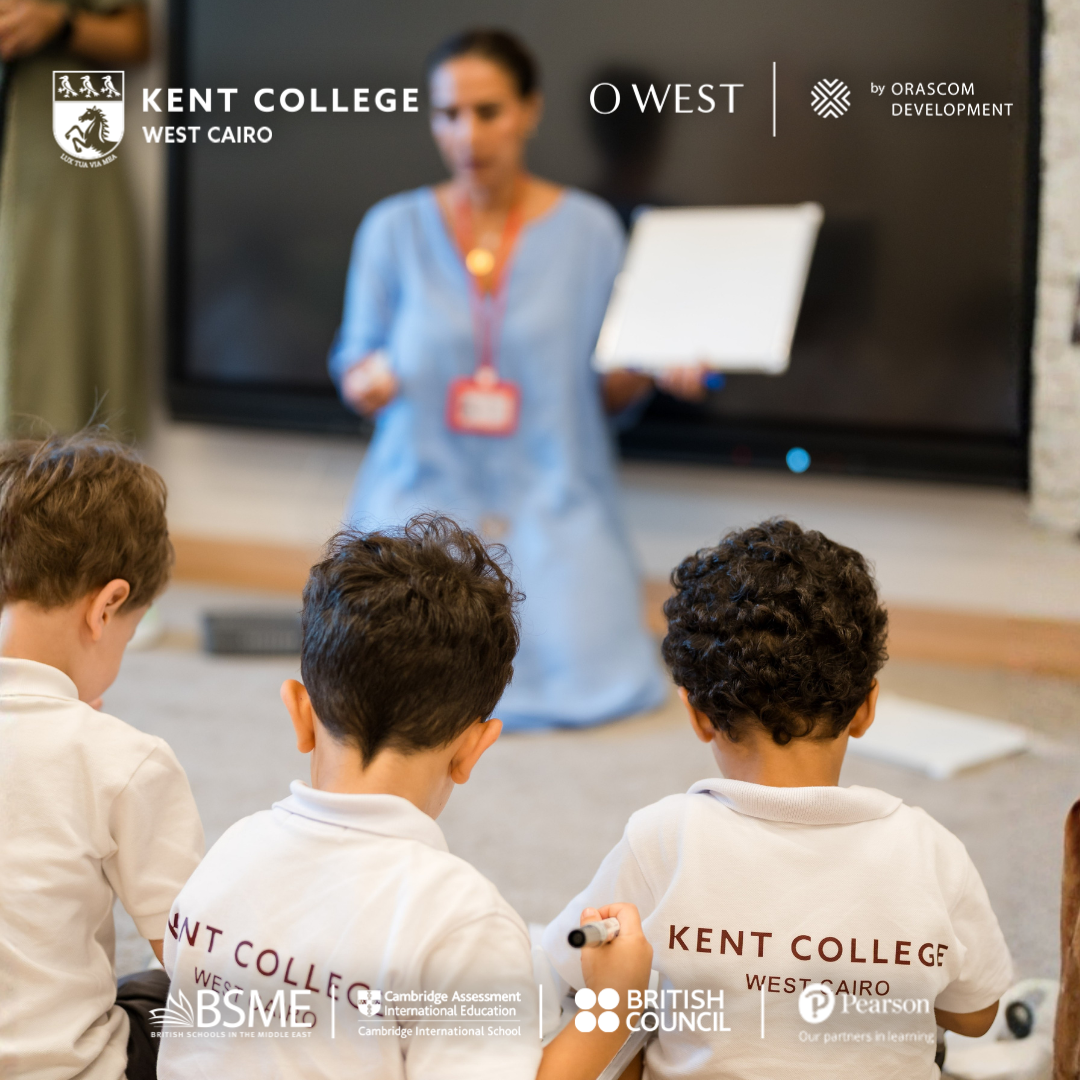
How Schools Support Children Through Transitions, Even When Parents Don’t See It
There’s a moment many parents recognise, even if they don’t talk about it much.
Your child hasn’t “changed” overnight, but they’re not quite the same either: they’re more sensitive, more withdrawn, sometimes defensive, sometimes emotional for reasons you can’t quite pin down.
And quietly, a question starts forming:
Is this just growing up… or is something else going on?
This question comes up a lot when children move from being “little kids” into something more complicated: that in-between space before full teenage years. It’s also why many parents start paying closer attention to how schools handle change, especially when considering British international schools.
Here’s the truth, expressed clearly and confidently:
The most important transitions children go through are not academic ones, they are emotional, social, and developmental. And the best schools are already supporting them long before parents see the signs.
The Transition Parents Notice, and the One They Usually Miss
Parents often notice the obvious transitions:
- a new school
- a new year group
- new subjects
- new expectations
But there’s another transition happening quietly at the same time.
Children are learning how to:
- manage stronger emotions
- navigate friendships differently
- question authority
- understand themselves
This shift usually begins before the teenage years fully arrive, and it can feel unsettling for everyone involved.
Good schools don’t wait for problems to appear, they anticipate this stage and prepare for it.
When Children Start Becoming Teenagers (Even If They Don’t Look Like It Yet)
This stage often catches parents off guard.
A child who was once open suddenly becomes private.
A confident child hesitates.
A calm child reacts strongly to small things.
This isn’t failure, it’s development.
In strong British international schools, this phase is treated as a normal part of growing up, not as misbehaviour, attitude, or “a phase to survive”.
Teachers and pastoral teams are trained to expect:
- emotional fluctuation
- sensitivity to peer opinion
- moments of insecurity
- a need for reassurance without embarrassment
Support is adjusted quietly, without labelling or drawing attention.
This is where real professionalism shows.
What Support Actually Looks Like Day to Day
Parents often imagine “support” as something formal: meetings, reports, interventions.
In reality, the most effective support is subtle.
It looks like:
- adults checking in without making a big deal
- teachers noticing changes in behaviour or engagement
- flexibility during emotionally heavy periods
- consistency when everything else feels confusing
Children at this stage don’t need to be told they’re “going through something”.
They need adults who already understand that they are.
That’s why the approach taken by British international schools that prioritise pastoral care often feels calmer and more grounded during these years.
Why Parents Don’t Always See This Support (And That’s a Good Thing)
Here’s something many parents don’t realise:
If support is working properly, you may never hear about it: that’s intentional.
Children at this age want dignity.
They want help without attention.
They want to feel normal.
The best schools protect that.
Instead of escalating everything to parents immediately, they:
- monitor patterns
- offer guidance early
- step in quietly when needed
- communicate with parents when it truly matters
This balance reassures children and parents, even if it’s invisible most of the time.
When Academic Expectations Change Alongside Emotional Ones
Another area parents worry about is academics.
As children grow, expectations increase: work becomes more demanding, and independence is encouraged. This can feel like pressure if it isn’t handled carefully.
In the best British school in Egypt, academic challenge is paired with emotional awareness.
That means:
- recognising when a dip in performance is emotional, not ability-based
- avoiding panicked reactions to temporary setbacks
- supporting organisation, not punishing disorganisation
- teaching resilience without humiliation
Children learn that struggle is part of growth, not a sign of failure.
The Role of Stability During Big Internal Changes
Ironically, during times of emotional change, children benefit most from predictability: routine, clear boundaries, familiar adults and consistent expectations.
This is why many families value British modern schools, where structure and pastoral care work together.
Children don’t need everything to change at once.
They need a steady environment while they are changing inside.
What Parents Can Trust (Even When It Feels Hard)
It’s normal for parents to feel slightly disconnected during this phase: children share less, explain less and react more.
That doesn’t mean you’re being shut out, it means your child is learning independence.
The right school supports that process without rushing it or fearing it and that support doesn’t need to be dramatic to be effective.
Sometimes, it’s just quiet consistency.
A Reassuring Truth for Parents
Transitions don’t only happen when children move schools or year groups.
They happen when children become more aware of themselves, and that can be messy.
The good news is this:
In the right environment, these transitions don’t derail children. They strengthen them.
When schools understand development, not just curriculum, children don’t get lost in the process of growing up: they’re guided through it, calmly, steadily, and with respect.
FAQs | What Parents Ask When They’re Trying to Understand This Stage
- Is it normal for my child to change emotionally before their teenage years?
Yes- emotional shifts often begin earlier than parents expect, and they’re a natural part of development.
- How do schools support children through this phase?
Strong schools adjust expectations, offer quiet guidance, and focus on emotional safety alongside academics.
- Should I be worried if my child seems more withdrawn?
Not automatically: many children turn inward temporarily. What matters is whether the school notices and responds appropriately.
- Do British international schools handle this transition differently?
Yes. British international schools often place strong emphasis on pastoral care and understanding developmental stages, not just academic progress.
- How can I tell if a school truly supports children during transitions?
Ask how they support wellbeing, how teachers are trained to notice change, and what happens before issues escalate.
Leave a Reply