
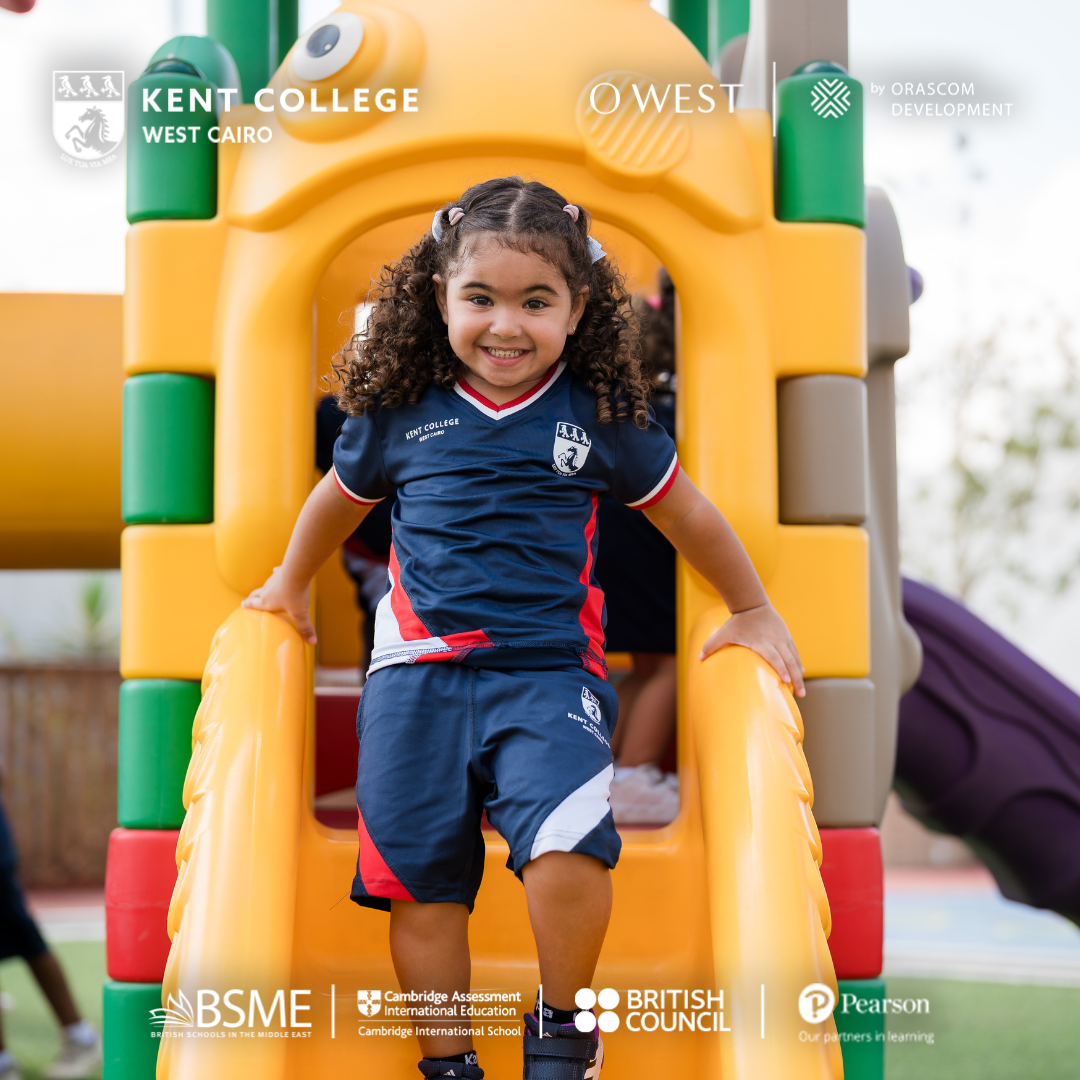
What If My Child Is Quiet? Will They Still Be Seen and Supported?
If your child is quiet, this question usually doesn’t come from curiosity;
it comes from experience.
You’ve seen classrooms where the loudest voices take up the most space. You’ve seen confident children speak first, speak often, and get noticed. And you’ve looked at your own child: thoughtful, observant, reserved, and wondered whether that way of being will be enough.
This concern comes up again and again for parents exploring international schools in Egypt and more specifically in Cairo, especially when they’re told that participation and communication are essential parts of learning.
So let’s answer the question directly, without asking you to wait until the end.
Yes, quiet children can be seen and supported, but only in schools that actively look beyond noise, speed, and confidence when they assess children.
How Quiet Children Are Actually Noticed in the Classroom
One of the biggest fears parents have is simple:
If my child doesn’t speak up, how will a teacher know they’re coping?
In strong British schools, teachers are trained not to rely on loud participation as the only sign of learning. Instead, they look at multiple signals throughout the day.
What teachers really look for
- how a child follows instructions
- how they respond in written work
- how they engage in pair or small-group activities
- how their understanding develops over time
Quiet children are often very consistent learners. They just don’t announce it.
When teachers observe rather than wait to be addressed, quiet children are not overlooked.
When a Child Finds Expression Genuinely Difficult
There is an important difference between a child who chooses quiet and a child who struggles with expression.
Some children:
- freeze when asked open questions
- feel overwhelmed in group discussions
- take longer to process language
- struggle to explain how they feel, even when something is wrong
Parents of these children often carry a constant, quiet worry:
“What if my child needs help but can’t ask for it?”
How good schools respond
In well-run British international schools, support does not depend on a child explaining everything clearly.
Teachers:
- check in privately rather than publicly
- Notice behavioral and emotional changes
- reduce pressure instead of increasing it
- use structure and routine to create safety
Support works best when it feels natural, not when it draws attention.
Support Without Making a Child Feel Different
Many parents worry that support will mean their child is labelled or singled out.
That fear is understandable, and valid.
The most effective support is usually quiet and unremarkable from the outside.
What respectful support looks like
- extra thinking time without comment
- choice in how to respond (spoken, written, visual)
- predictable routines
- calm, consistent adult reactions
In the best British schools, support blends into daily life. It doesn’t make a child feel exposed. And it never makes them feel like a problem that needs fixing.
Emotional Safety Comes Before Confidence
Confidence doesn’t appear because a child is pushed to speak.
It appears when a child feels safe enough to try.
Quiet children, particularly those who experience the world more intensely, need:
- adults who don’t rush them
- classrooms where mistakes are normal
- reassurance without pressure
When emotional safety is present, children often begin to engage more, not loudly, not suddenly, but in ways that feel right to them.
That kind of confidence lasts.
What Progress Really Looks Like for Quiet Children
Progress for quiet children is often subtle, which is why it’s easy to miss.
It might look like:
- a child asking for help quietly instead of withdrawing
- joining pair work after avoiding it
- staying emotionally regulated in situations that once felt overwhelming
In strong British schools, progress isn’t measured by volume.
It’s measured by growth.
And growth doesn’t require a personality change.
Choosing the Right Environment Matters More Than You Think
When parents compare international schools in Cairo, facilities and results often get the most attention.
But for quiet children, the most important question is this:
Does this school notice children who don’t demand attention?
You can usually tell by:
- how teachers talk about different types of learners
- whether listening is valued as much as speaking
- how adults respond when a child struggles quietly
In the right environment, quiet children don’t fade into the background.
They belong.
A Final Reassurance for Parents
If your child is quiet, reflective, or finds communication difficult, your concern is not overprotective, it’s informed.
Quiet does not mean weak.
And it does not mean invisible, if the school understands what it’s doing.
In the right British international schools, children are supported calmly, respectfully, and without pressure to become someone else.
For many parents, that reassurance is what truly matters.
FAQs | How Schools Support Different Learning Styles
- Will my child be ignored if they don’t participate verbally?
No. In well-structured classrooms, teachers assess understanding through observation, written work, and individual check-ins, not only verbal participation.
- Are quiet children suited to British schools?
Yes. Many quiet children thrive in British schools, where reflection, structure, and thoughtful learning are valued alongside discussion.
- How do schools support children who struggle to express themselves?
Support is built into daily teaching through patience, structure, and alternative ways to show understanding, without pressure to speak publicly.
- Will my child be forced to “come out of their shell”?
In strong British modern schools, confidence is encouraged gently. Children are supported to grow at their own pace, without being pushed to change their personality.
- What should I look for when visiting a school for my quiet child?
Ask how teachers notice progress, how they support children who struggle quietly, and how emotional wellbeing is handled day-to-day.
Leave a Reply