
British Curriculum Schools in Egypt: What Makes the English National Curriculum Different?
Why curriculum choice matters
When parents compare international schools in Egypt, curriculum is usually one of the first filters. A curriculum shapes what children learn, how they are assessed, how teachers plan lessons and which qualifications students may work towards. It also influences the routine of school life: the balance of subject knowledge, skills, creativity, examinations, projects and independent study.
The British curriculum is popular with internationally-minded families because it is structured, widely recognised and familiar to many universities Yet parents should avoid choosing it simply because the word “British” sounds reassuring. The real question is whether the school delivers the curriculum with depth, consistency and care.
What is the English National Curriculum?
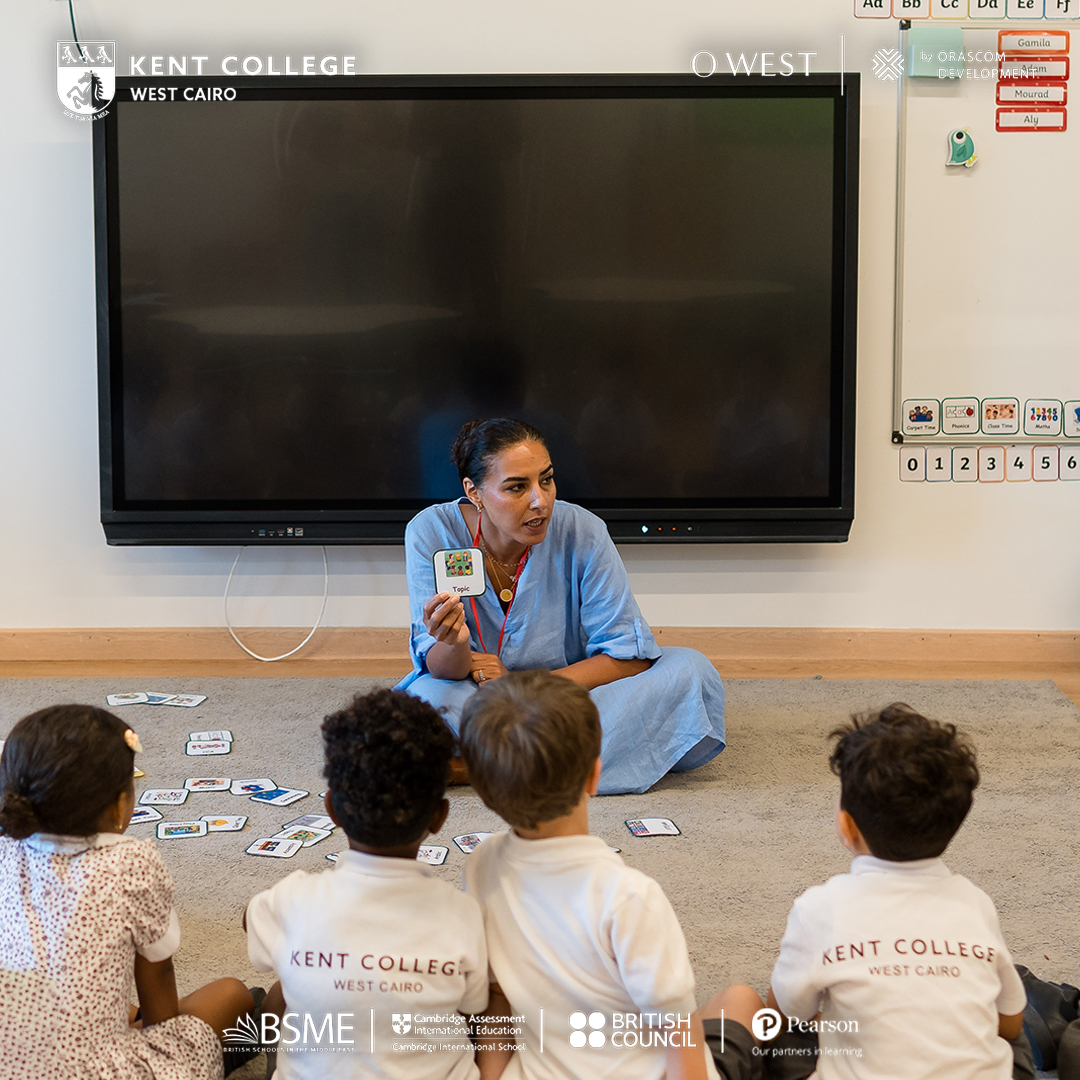
The English National Curriculum gives schools a clear framework across subjects and age groups. It is designed to build knowledge progressively, so pupils do not meet topics randomly. In primary years, children develop strong foundations in English, mathematics, science and a broad range of other subjects. As they get older, subjects become more specialised and students are expected to think, write, investigate and solve problems with greater independence.
In an international school in Cairo, the curriculum should be adapted thoughtfully for a global community. That means keeping the academic rigour of the British model while recognising local context, multilingual families and diverse student backgrounds. A strong school can explain where it follows the UK framework closely and where it enriches learning for Egypt-based families.
How the British pathway develops independence
One strength of the British approach is the gradual move from guided learning to independent learning. Younger pupils need routines, encouragement and practical experiences. Older pupils need subject confidence, revision strategies, research skills and the ability to write clearly under pressure. A well-taught British pathway helps students move through these stages without suddenly expecting maturity at exam age.
Parents should ask how pupils learn to manage time, respond to feedback and prepare for assessments. These habits matter as much as content knowledge. They also help students who later move abroad, apply to international universities or transfer into other English-speaking systems.
British curriculum versus American and IB pathways
Many Cairo families compare British schools with American or IB schools. The American system may offer a broader high-school credit model, often with continuous assessment and Advanced Placement options in some schools. The IB model is known for breadth, inquiry and international mindedness, particularly in the Diploma Programme. The British model tends to provide a defined subject pathway with a clear build-up towards recognised qualifications and deeper subject specialisation in later years.
There is no single best system for every child. A student who enjoys learning across different fields may thrive in an IB environment. A student who benefits from structured progression and clear subject depth may be well suited to a British pathway. Many families also value schools that can explain how British foundations and IB-style international thinking can complement each other.
Assessment should be useful, not stressful
A common misconception is that British education is only about exams. In reality, good British curriculum teaching uses many forms of assessment: teacher observation, questioning, written work, practical tasks, projects, quizzes and formal tests. The goal is to understand what pupils know and what they need next.
When choosing a British curriculum school in Egypt, ask how assessment information is shared with parents. You should know whether reports describe effort, attainment, progress and next steps. You should also ask how the school prevents assessment from becoming pressure without purpose. Children need challenge, but they also need the confidence to learn from mistakes.
The role of language, culture and international identity
British schools in Egypt serve families with different home languages, passports, cultures and future plans. Some children may be Egyptian pupils seeking an international education. Others may be expatriate children who have moved between countries. Good schools recognise that international identity is an asset, not a complication.
Ask how the school supports English language development, celebrates cultural difference and helps pupils feel rooted in their community. British education should not mean losing connection to Egypt. The best international schools help students become confident in English, proud of their background and comfortable working with people from many cultures.
What to ask when comparing British schools in Cairo
During admissions conversations, go beyond the headline curriculum. Ask which curriculum documents teachers use, how planning is monitored, how new teachers are inducted and how the school benchmarks standards. Ask how reading is taught, how mathematics progression is managed and how science practical work is built into lessons. In Senior School, ask when subject choices begin and what university guidance is available.
It is also sensible to ask how the school works with external partners or founding schools. A meaningful relationship should involve standards, professional development, review and shared educational culture, not only branding.
How Kent College West Cairo frames its British education
Kent College West Cairo describes itself as part of the Kent College family, managed and operated by its founding school in the UK, with a connection to Kent College Canterbury. The school presents its education as running from Early Years to Year 13 through the English National Curriculum and IB, which gives families a useful starting point for questions about progression and senior pathways.
For parents, the next step is to explore how this framework is lived in classrooms. Ask to understand the learning journey from Early Years to Senior School, how pastoral care supports achievement and how the school prepares pupils for international futures. A good British curriculum school should make the pathway feel clear, ambitious and personal.
A curriculum is only as strong as its delivery
The curriculum name matters, but delivery matters more. The strongest British curriculum schools in Egypt combine knowledgeable teachers, careful assessment, strong pastoral care, clear communication and a campus that supports learning. When those pieces work together, the result is not simply a British-style timetable. It is an education that gives children structure, confidence and room to grow.
Leave a Reply