
International School Tour Checklist in Cairo: What to Notice Beyond the Classrooms
A school tour should answer more than one question
By the time parents book an international school tour in Cairo, they have usually checked the website, location, curriculum and fees. The visit is different. It is your chance to feel the school in action and test whether the promise matches reality. The best tours answer practical, academic and emotional questions at the same time.
This checklist is designed for families comparing British and international schools in Cairo, West Cairo, Sheikh Zayed and 6th of October City. Use it before, during and after your visit so that you leave with more than a brochure.
Before the visit: define your priorities
Start by writing down what matters most for your child. Is the priority a British curriculum, smooth transfer, strong Early Years care, exam pathway, language support, pastoral care, STEAM, sports, arts, commute or university guidance? Every family has a different mix. Without priorities, it is easy to be impressed by whatever the tour happens to show.
Also prepare a short profile of your child: current year group, curriculum, strengths, worries, languages, interests and any support needs. Share this with admissions so the tour can be more relevant. A good school will respond to the child in front of them, not only deliver a standard presentation.
First impressions: welcome, safety and calm
Notice how the school receives visitors. Is security professional? Are reception staff organised? Does the admissions team know your appointment and your child’s details? These small signs suggest how the school manages daily routines.
Safety also includes emotional safety. As you walk around, observe whether pupils seem relaxed, purposeful and respectful. A school does not need to be silent to be calm. Lively learning can still feel orderly. Look for adults who are present, attentive and warm.
Classrooms: look for evidence of learning
Classrooms should tell a story about what pupils are learning and how they think. Displays should include authentic work, vocabulary, questions, models, feedback or project outcomes. In Early Years, look for purposeful play areas. In Junior School, look for reading, writing, maths and inquiry. In Senior School, look for subject depth, discussion and independence.
Ask whether you can see examples of pupil work. A school that is proud of learning should be able to show more than furniture and technology. The quality of questions, books, teacher explanations and student confidence matters more than decoration.
Facilities: ask how spaces are used
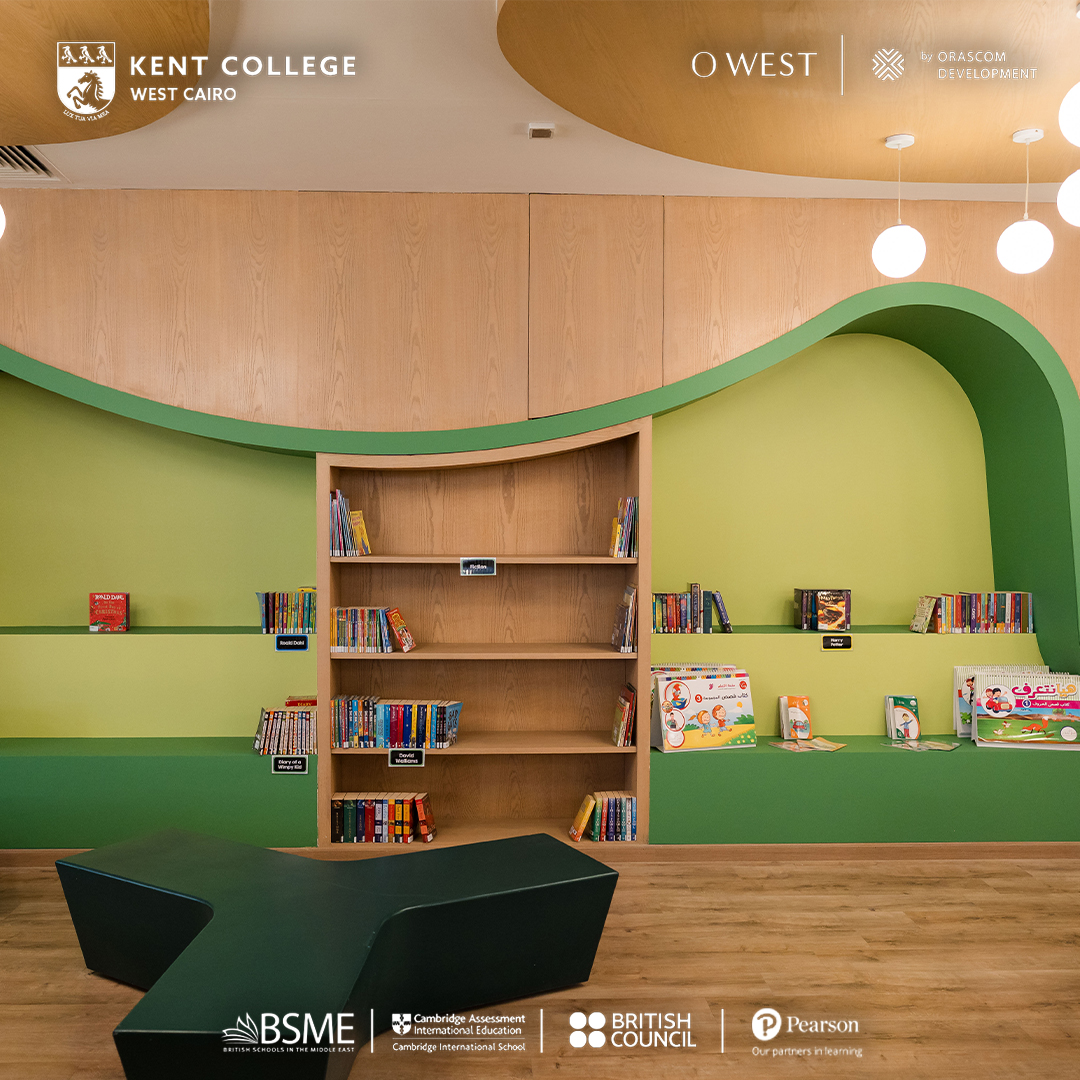
Cairo parents often compare campuses carefully, and rightly so. Laboratories, libraries, sports areas, performing arts spaces, swimming pools, dining areas and outdoor spaces affect daily experience. However, a facility is valuable only when it is part of learning.
Ask how often pupils use science labs, libraries and sports facilities. Do all year groups access creative spaces? Are clubs and co-curricular activities available? How are younger children supervised? How does the school manage heat, hydration and outdoor play? Practical answers reveal whether facilities are integrated into the timetable.
Pastoral care: ask who will know your child
One of the most important tour questions is simple: who will know my child well? The answer may involve a class teacher, form tutor, head of year, pastoral lead, counsellor or house system. You should understand how concerns are spotted, communicated and followed up.
Ask about settling in, friendships, behaviour, bullying prevention, safeguarding and parent communication. A school with strong pastoral care will not be defensive. It will explain systems clearly and show that wellbeing is part of everyday school life.
Co-curricular life: notice breadth and balance
Education does not stop at the classroom door. Co-curricular activities help children discover interests, build friendships and develop confidence. When touring an international school in Cairo, ask about sports, music, drama, art, robotics, debating, community service, trips and leadership opportunities.
The key is balance. A good school encourages participation without overwhelming children. Ask whether clubs change by term, whether transport is available after activities and how the school helps quieter pupils get involved.
Commute and daily logistics
Even the right school can become difficult if the daily routine is unrealistic. Test the route at school-run times if possible. Ask about buses, drop off, pick up, after-school activities, communication during delays, uniform, meals, medical care and parent access.
For families looking at an O West international school in 6th of October City, location may be a major advantage if home, work and activities are in West Cairo. For families crossing the city, the commute needs more careful thought. A tired child may have less energy for homework, clubs and family time.
Kent College West Cairo campus considerations
Kent College West Cairo is located in O West Compound in 6th of October City and describes a campus designed for up to 1,500 students, with classrooms, laboratories, libraries, performing arts spaces, swimming pools and collaboration areas. For parents considering Kent College Egypt, these details make the campus tour especially important.
Ask to understand how the campus supports each age group. How do Early Years children use outdoor spaces? How do Senior School pupils use labs and study areas? How does the partnership with sports facilities support physical development? The best tour will connect spaces to student experience.
Ask what happens after enrolment
A useful tour should also make the next steps clear. Ask what the admissions timeline looks like, which documents are needed, when assessments take place and how families are supported before the first day.
This is particularly important if you are relocating, changing curriculum or applying for more than one child. A school that communicates clearly during admissions is more likely to communicate clearly once your family joins the community.
After the tour: compare evidence, not impressions alone
When you leave, write notes immediately. What did you see that supported the school’s claims? Which answers were specific? Where did you feel uncertain? How did your child respond? If you tour several schools, use the same criteria for each one so comparison is fair.
A strong international school tour should leave you with clarity. You may still need to discuss fees, admissions timing and family logistics, but you should understand the school’s curriculum, culture, care and daily life. When those elements align with your child’s needs, the decision becomes much easier.
Leave a Reply